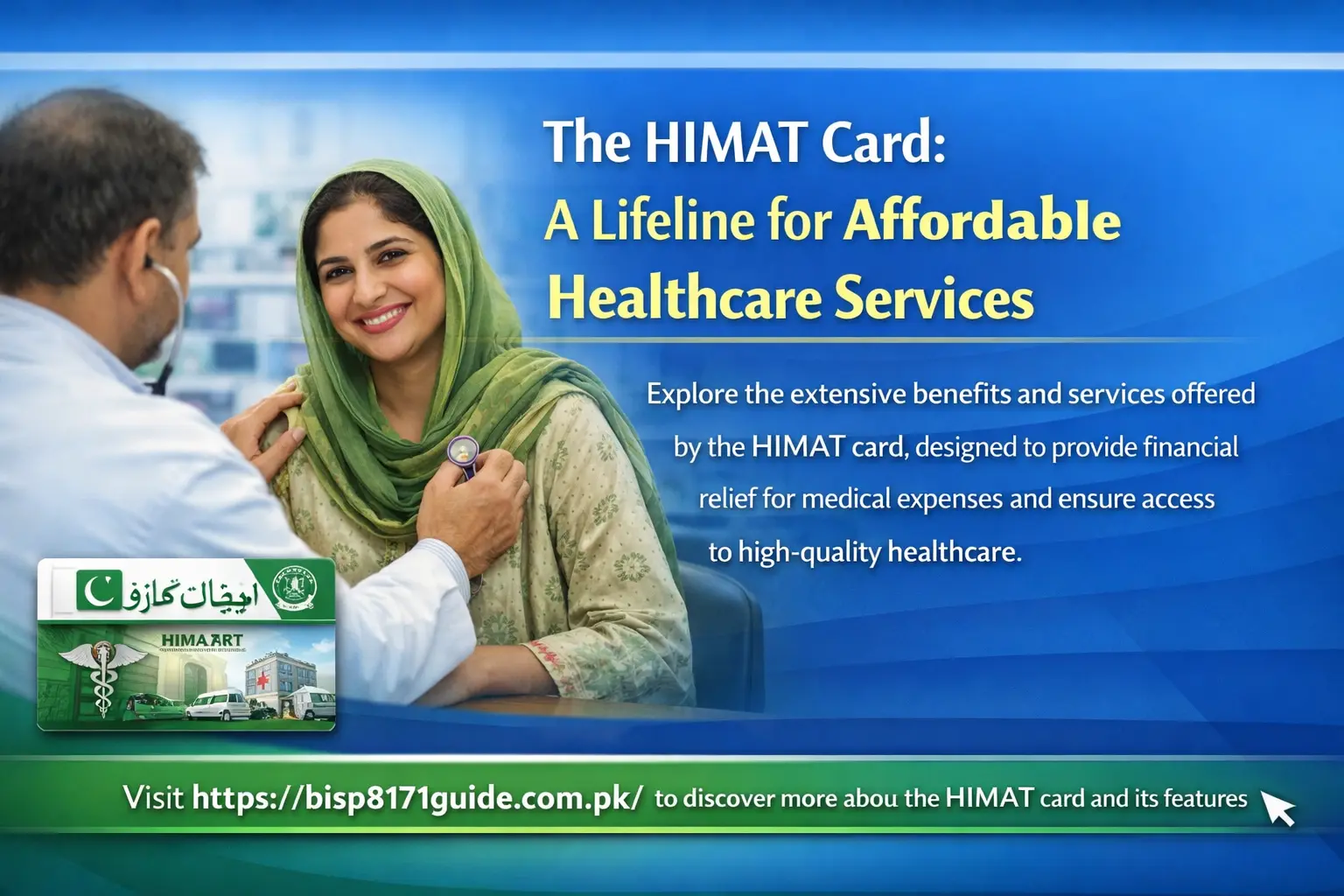
The HIMAT card is a vital financial assistance initiative by the Government of Pakistan, aimed at providing healthcare support to low-income families. As part of the government’s broader social welfare programs, the HIMAT card offers families access to free or subsidized healthcare services. This article will explore the key features of the CM HIMAT card, explain how to apply and use it, and provide details on the benefits and eligibility criteria.
What is the HIMAT Card?
The HIMAT card is a government-supported healthcare initiative designed to assist vulnerable populations, such as low-income families, disabled citizens, and elderly individuals, by providing financial support for their medical needs. This social welfare card covers essential medical services like hospitalization, medications, and diagnostic tests.
The goal of the Health card is to reduce the financial burden of healthcare for eligible families, ensuring that they receive necessary medical treatments without worrying about unaffordable costs.
- Primary Benefits: Subsidized or free healthcare services
- Target Audience: Low-income households, elderly, and disabled individuals
- Financial Support: Helps families access medical care with minimal out-of-pocket expenses
How the HIMAT Card Works: Benefits for Low-Income Families
Key Features of the HIMAT Card
The HIMAT card is specifically designed to improve healthcare access for Pakistan’s most vulnerable communities. Here are some of its core benefits:
- Free or Subsidized Treatment: The card provides free or subsidized medical treatment at partner hospitals and healthcare facilities.
- Medical Expenses Coverage: It helps cover hospitalization costs, medications, diagnostic tests, and even surgical procedures.
- Access to Health Services: It grants beneficiaries access to both public and private healthcare providers that accept the HIMAT card.
Financial Assistance Through Health Card
The HIMAT Program covers essential healthcare services that can often be out of reach for low-income families. It reduces the cost of medical treatment, allowing beneficiaries to focus on recovery without worrying about the financial strain.
- Cashless Healthcare Services: Many services are cashless, meaning you won’t need to pay upfront for treatment costs.
- Treatment for Chronic Conditions: The card is especially beneficial for individuals with long-term health issues, including diabetes and hypertension, as it helps cover the cost of regular medical care.
Who Is Eligible for the Health Card?
Eligibility Criteria for Health Card
The HIMAT card is available to families that meet specific eligibility requirements. The government uses data from social welfare surveys and income assessments to determine who qualifies. Eligibility is primarily based on:
- Income level: Low-income families are prioritized for receiving the free card.
- Medical need: Families with individuals suffering from chronic conditions, disabilities, or other health-related issues are given priority.
- Vulnerable groups: The card also targets elderly citizens, disabled individuals, and families with children suffering from medical conditions.
How to Apply for the Himmat Card
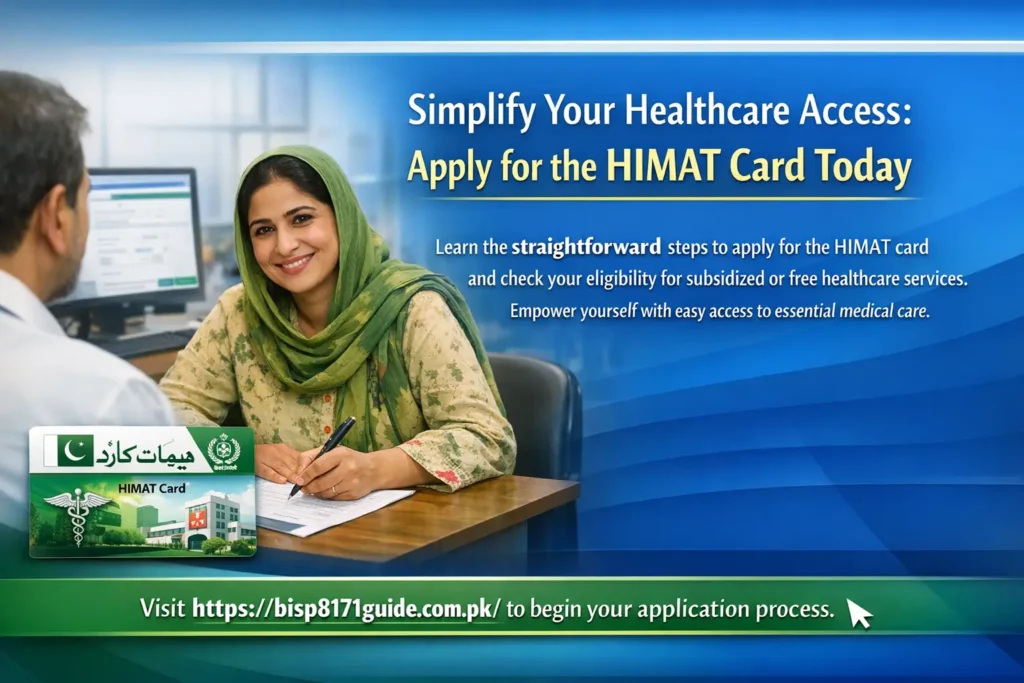
Applying for the Health card is a simple process. Eligible individuals need to follow these steps:
- Submit an Application: Visit a local social welfare office or use the designated registration centers for application.
- Provide Required Documents: Submit documents like CNIC, proof of income, medical certificates, and any additional information that verifies your eligibility.
- Wait for Approval: Once your application is processed, you will be notified if you are approved for the card.
Where Can You Use the HIMMAT Card for Healthcare?
Healthcare Providers in the HIMAT Network
Once approved, you can use the HEALTH card at participating healthcare providers. These include both public hospitals and private healthcare centers that are part of the HIMAT network. The card allows beneficiaries to access free or reduced-cost treatments at these hospitals.
- Public Hospitals: Most government-run hospitals accept the HIMMAT card for various medical treatments.
- Private Hospitals: Some private hospitals are also affiliated with the program, allowing beneficiaries to receive subsidized care.
Types of Medical Services Covered
The HIMMAT card covers a wide range of healthcare services to ensure that beneficiaries receive comprehensive medical support:
- Emergency care: Treatment for urgent medical needs.
- Consultations: Access to specialists and general practitioners.
- Medications: Subsidized or free medicines for treating various health conditions.
- Diagnostic Tests: Laboratory tests and imaging services required for diagnosis.
How to Receive HIMMAT Card Benefits
Receiving Healthcare Assistance with the HEALTH Card
Once your HIMMAT card is activated, you can use it at any approved healthcare provider. When visiting a doctor or hospital, you simply need to show your Free card and CNIC for verification. Depending on the healthcare facility, you may either pay nothing or a small co-payment for the services rendered.
Cashless Healthcare Services
For the convenience of the beneficiaries, many of the HIMMAT card services are cashless. This means that the treatment costs are covered by the HIMMAT card itself, and you don’t have to pay any fees upfront. This feature significantly reduces the financial strain of healthcare expenses on eligible families.
Where Can You Access HIMMAT Card Benefits?
BISP & HIMAT Collaboration for Healthcare Access
The BISP network is an essential part of the Health card program, helping to distribute benefits through government-run hospitals and partnering healthcare centers. By collaborating with BISP, cardholders are able to access free healthcare or subsidized treatment across the country.
- BISP Affiliated Hospitals: Use your HIMMAT card at BISP-affiliated hospitals and clinics to access discounted services.
- Convenient Access: Healthcare providers accepting HEALTH cards are located across the country, making it easier for eligible citizens to receive care.
Frequently Asked Questions (FAQs)
Q1: How can I apply for the HEALTH card?
- To apply for the HIMMAT card, visit your local social welfare office or apply through the official government portal. You will need to submit documents such as your CNIC and proof of income.
Q2: What healthcare services are covered by the HIMMAT card?
- The Punjab free card covers essential services like emergency care, hospitalization, medications, and diagnostic tests at approved hospitals.
Q3: How do I know if I am eligible for the card?
- Eligibility for the HIMMAT card is based on income level, family size, and medical needs. You can check eligibility by applying at the local welfare office.
Q4: Can I use the HIMMAT card in private hospitals?
- Yes, some private hospitals are included in the CM card network, allowing you to receive subsidized treatment.
Q5: How do I receive treatment using the HIMMAT card?
- Once approved, simply present your card and CNIC at participating hospitals to receive medical care and subsidized treatment.
Conclusion: HIMAT Card for Accessible Healthcare
The HIMAT card is an invaluable resource for low-income families and vulnerable groups, offering crucial financial assistance for medical expenses. By understanding the application process, eligibility criteria, and where to use the card, beneficiaries can take full advantage of the services available to them. Whether it’s emergency care, routine consultations, or hospitalization, the Sehat card ensures access to quality healthcare services without the burden of high medical costs.
By following the steps outlined in this guide, you can easily access the benefits of the HIMAT card, improve your health, and alleviate the financial strain of medical expenses.